How to Stop Shapewear From Pinching
May 04, 2026 · Admin
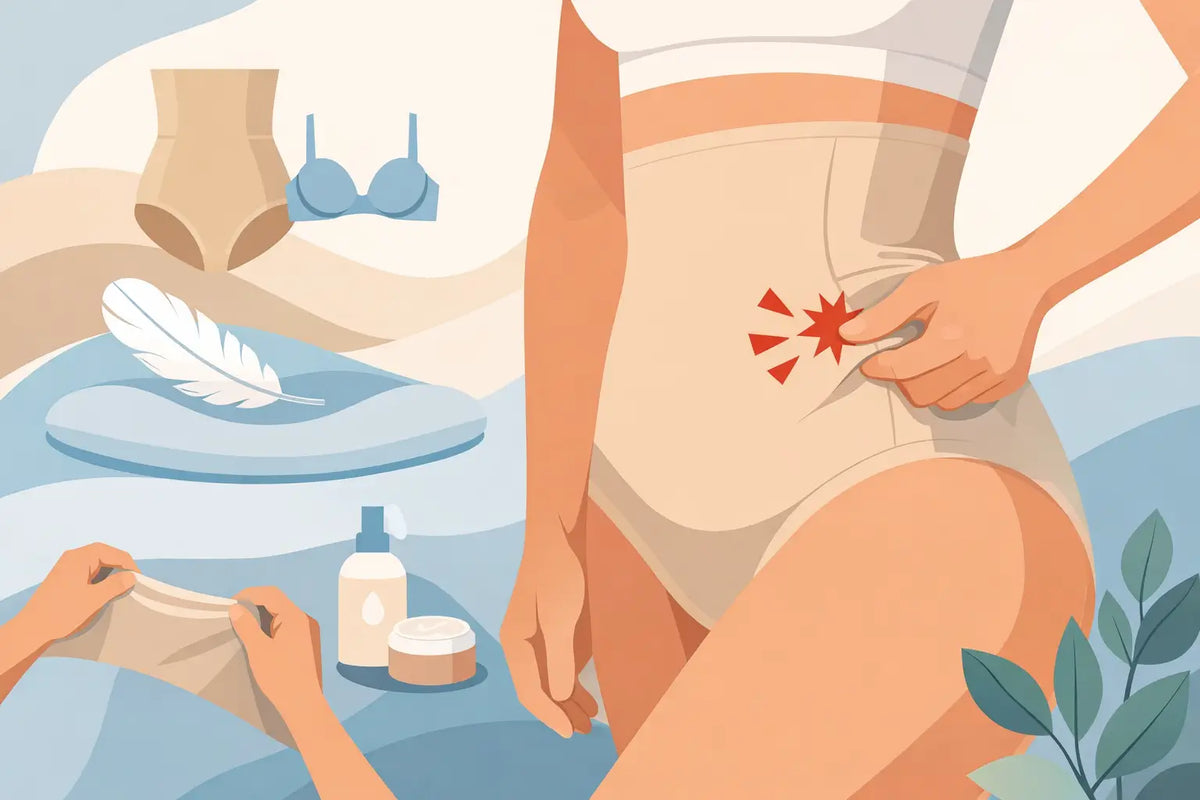
That sharp, digging feeling at your waist, thighs, or bust can ruin an outfit fast. If you’re wondering how to stop shapewear from pinching, the good news is that pinching usually has a clear cause - and an easy fix. The right shapewear should smooth, support, and help you feel confident, not leave you counting the minutes until you can take it off.
Why shapewear pinches in the first place
Pinching happens when pressure gets concentrated in one small area instead of being evenly distributed across the garment. In plain terms, your shapewear is working too hard in the wrong spot. That can come from a size that is too small, seams or edges that hit the body awkwardly, fabric with limited stretch recovery, or a style that simply does not match your shape or outfit.
A lot of women assume pinching means the shapewear is doing its job. It is true that shapewear should feel snug. But snug and restrictive are not the same thing. Good shaping support feels secure and smoothing. Pinching feels sharp, uneven, and distracting.
There is also a difference between brief adjustment and all-day discomfort. If a bodysuit settles after a minute and then feels fine, that is one thing. If it keeps digging into your ribs, squeezing your thighs, or cutting into your back every time you sit down, the fit is off.
How to stop shapewear from pinching at the source
The fastest fix is usually sizing up, not down. Many shoppers buy shapewear smaller than their usual size because they want extra control, but that often backfires. A too-tight piece can create bulges, dig at the edges, and make your silhouette look less smooth instead of more polished.
Check your current measurements against the brand’s size chart, especially if your weight has shifted recently or you are shopping for a different style than usual. A thong bodysuit, a full-body shaper, and a tummy-control brief can fit very differently even in the same labeled size. If you are between sizes, it depends on the garment. For firmer control fabrics, sizing up is often the more comfortable choice. For soft, stretchy seamless styles, your usual size may be enough.
The second fix is choosing the right compression level. Not every outfit needs maximum shaping. If you are wearing shapewear for daily support under jeans, workwear, or a knit dress, a lighter or medium-control style may feel far better than a high-compression garment. Strong compression can be great for special occasions, but for long wear, comfort matters just as much as contouring.
How to stop shapewear from pinching around common trouble spots
Waist pinching
Waist pinching usually comes from a waistband or top edge that is too tight or poorly placed. If the top of the garment lands exactly at your natural crease, it can fold and dig in when you sit or bend. A higher-rise style that extends beyond that area often feels smoother because it spreads support over more of your torso.
Bodysuits can also help here because they anchor the shaping through the shoulders instead of relying on one tight band around the waist. If your current shorts or briefs keep cutting in, a bodysuit or full-body style may give you a cleaner, more comfortable fit.
Thigh pinching
If the leg openings are squeezing your thighs, the issue is usually the hem design or the size. Thin elastic edges can press too hard, especially under body heat and movement. Look for laser-cut edges, bonded hems, or soft seamless finishes that lie flatter against the skin.
Length matters too. Shorts that end at the fullest part of your thigh are more likely to dig in. A slightly shorter or longer leg can solve the problem because it shifts the hem to an area with less friction and pressure.
Bust and underarm pinching
Pinching near the bust often means the garment is pulling upward or the chest area is too small. This happens a lot with bodysuits that fit the waist but not the bust, or with styles that do not suit your torso length. If the straps are doing too much work, they can also create pressure around the underarm.
In that case, adjustability helps. Wider straps, more flexible bust panels, and a style designed for all-day wear usually feel more forgiving. If you have a longer torso, a standard bodysuit may keep pulling in all the wrong places no matter how pretty it looks.
Fabric and construction matter more than most people think
When shapewear pinches, the problem is not always your body or even the size. Sometimes it is the garment quality. Cheap or overly stiff fabric can compress unevenly, especially after a few wears. It may feel fine standing still, then start digging the moment you move around.
Look for shapewear that combines stretch with recovery. That means the fabric expands with your movement and then returns to shape without sagging or cutting in. Seamless construction, anti-roll design, and soft-touch materials can make a major difference in how the garment feels after a few hours.
This is where comfort-first shapewear stands out. You want support that holds you in without making you feel trapped. A well-made piece should smooth under clothing and stay nearly invisible, while still letting you breathe, sit, and get through your day with confidence.
Styling choices can make pinching worse
Sometimes the shapewear is only part of the issue. Tight waistbands, rigid denim, and clingy dresses can press the garment harder into your body and make minor discomfort feel much worse. If your outfit is already fitted, a lighter shapewear layer may actually create a smoother result than heavy compression.
The same goes for layering. Wearing a tight bra, shapewear brief, and fitted pants all stacked at the same line can create a pressure point that feels like pinching, even if each item fits on its own. Staggering those seams and edges helps. For example, a bodysuit paired with pants can feel better than a shaping brief plus a tight camisole because there are fewer overlapping bands.
Small fit checks before you give up on a piece
Before you decide a garment is wrong, try it on correctly. Shapewear should be stepped into and gently adjusted upward, not yanked on in a rush. Smooth the fabric into place and make sure seams are aligned where they are supposed to sit. Twisted panels or bunched fabric can create instant pinching.
Wear it for a few minutes at home and move around. Sit, walk, bend, and raise your arms. If the garment feels secure and then starts biting into one area, pay attention to where. That spot usually tells you what needs to change - size, rise, leg length, or style.
It also helps to try shapewear on with the exact type of clothing you plan to wear over it. A piece that feels fine under a flowy skirt may not be the best match under stiff trousers or a bodycon dress.
When to replace shapewear
Even shapewear you used to love can start pinching over time. Repeated washing, heat exposure, and general wear can break down the fabric’s stretch and make edges feel tighter or rougher. If a once-comfortable piece suddenly digs in, loses its shape, or rolls more than it used to, it may be worn out.
That does not mean you need a drawer full of options. It means your go-to piece should still support your body the way it was designed to. Fresh, well-fitting shapewear can change how your clothes sit and how you feel in them.
The best shapewear should feel like support, not punishment
If you have been searching for how to stop shapewear from pinching, the real answer is simple: choose a fit that respects your body, a style that matches your outfit, and construction that is made for real wear. More squeeze does not always mean better shaping. Usually, the smoothest silhouette comes from balance - enough support to contour, enough comfort to move naturally.
You deserve shapewear that helps you feel held in, lifted, and beautiful without the constant tugging and digging. When the fit is right, confidence does not feel forced. It feels easy - and that is exactly how getting dressed should feel.