Shapewear That Doesn’t Roll Down Works
April 27, 2026 · Admin
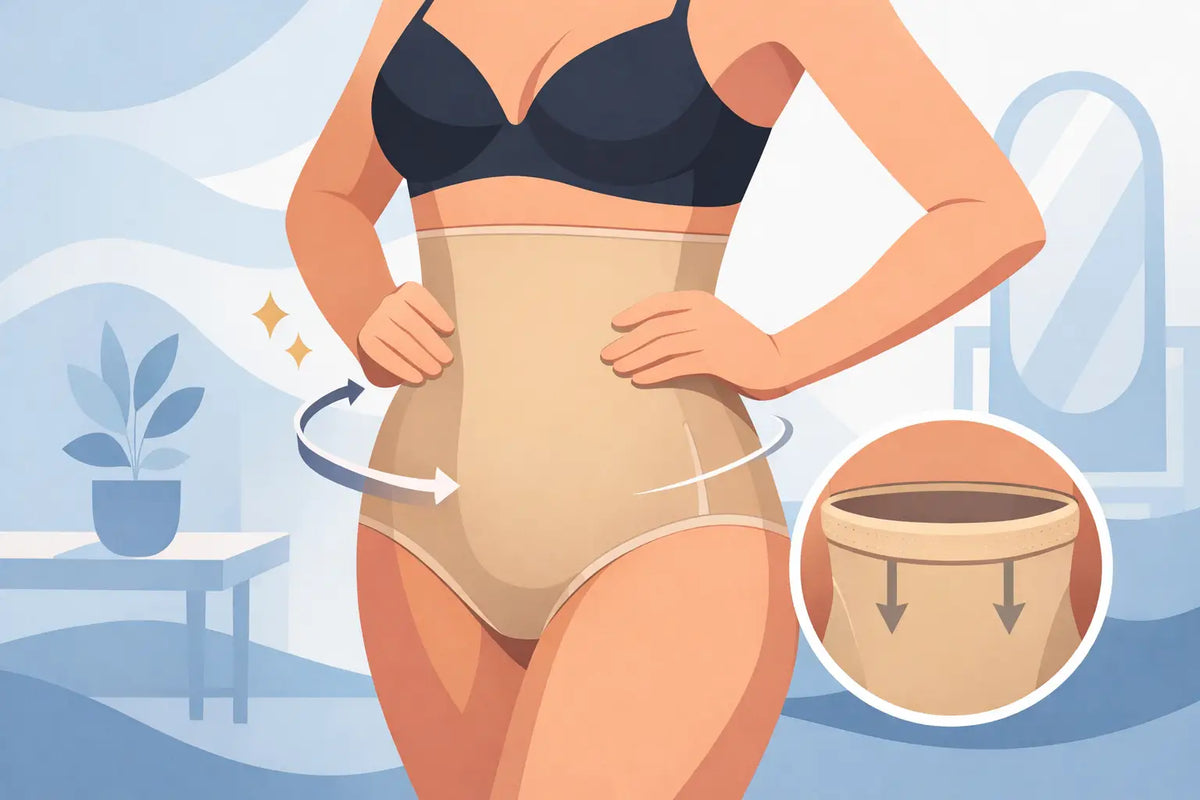
You can spot bad shapewear within an hour. It starts with a slight fold at the waistband, then a little tug in the dressing room mirror, and by lunchtime you are adjusting it under your clothes and wondering why "support" feels so stressful. If you are shopping for shapewear that doesn’t roll down, you are not asking for too much. You want smoothing that stays put, feels comfortable, and lets you focus on your day instead of your midsection.
That is exactly the standard good shapewear should meet. A flattering silhouette matters, but comfort is what makes you actually wear it again. When a piece rolls, pinches, or bunches, it stops feeling like support and starts feeling like a chore.
Why shapewear rolls down in the first place
Rolling usually comes down to one issue - the garment is fighting your body instead of working with it. Sometimes the size is too small, which creates excess tension at the waistband and causes the top edge to curl. Sometimes the size is too big, which leaves the fabric without enough hold to stay in place. In both cases, the result is the same: constant adjusting and a fit that never feels secure.
The cut matters too. A short torso design can sit at the wrong point on your body, especially if you have a longer midsection or fuller hips. When the waistband lands on a high-movement area instead of a stable one, it is more likely to fold and slide.
Fabric and construction play a big role as well. Thin, overly stiff material can dig in and flip. Weak elastic can stretch out too fast. A waistband with no grip, structure, or layering often cannot handle real daily wear, especially under fitted dresses, jeans, or workwear.
What to look for in shapewear that doesn’t roll down
The best stay-put shapewear is built with intention. It should smooth without feeling restrictive and hold without creating that squeezed, fighting-for-air feeling. A higher waistband is often a better choice because it anchors above the area where rolling usually starts. Instead of cutting across the softest part of the tummy, it sits higher and creates a cleaner line under clothing.
A wide waistband is another green flag. Narrow bands tend to dig and curl, while a broader band spreads pressure more evenly. That difference sounds small, but it can completely change how secure the piece feels after a few hours.
Seamless or low-profile construction also helps. The fewer bulky edges a garment has, the less likely it is to create visible lines or fold over itself. Stretch fabric with real recovery is essential too. You want material that snaps back into shape, not fabric that loosens by the second wear.
For many women, bodysuits outperform shorts or briefs when rolling is the main issue. Because they anchor at the shoulders, they do not rely on the waistband alone to stay in place. That can be a game changer if you have had enough of tugging high-waisted pieces back up all day.
The right style depends on what you are wearing
Not every outfit needs the same kind of shaping, and that is where a lot of frustration begins. If you wear a smoothing short under a bodycon dress, you may want mid-to-firm tummy control with a secure high-rise waist. If you are dressing for everyday jeans and a tee, a lighter shaping brief or bodysuit may feel better and still give you that smooth, supported finish.
For dresses and eventwear, full-body shapewear can offer the most stable fit. It creates smoothing through more than one area, which often means less pressure at any single point. For daily wear, a tummy-control bodysuit is often the sweet spot - supportive, flattering, and easier to trust when you are moving around all day.
If your main concern is the lower tummy, look for targeted shaping in that panel rather than compression everywhere. More compression is not always better. Sometimes it just means more rolling, more discomfort, and less wearability.
Fit is everything, even when the product looks perfect
This is the part many shoppers skip because it feels easier to size down and hope for a dramatic result. But the truth is simple: if you want shapewear that doesn’t roll down, the right size will almost always outperform the smaller one.
A proper fit should feel snug, secure, and smoothing, but not painful. You should be able to sit, bend, and breathe normally. If the top edge instantly curls when you pull it on, that is usually a sign the fit or cut is off for your body.
It also helps to be realistic about your proportions. A piece that works beautifully for someone with a shorter torso may not feel nearly as comfortable on a taller frame. Women with fuller hips, a softer lower belly, or a curvier waist-to-hip ratio may need different cuts to get that same smooth, stay-put result. That is not a flaw in your body. It just means good fit is personal.
Signs a product is designed for real comfort
Good shapewear should feel like support, not punishment. The best pieces usually share a few comfort-forward details: stretch that moves with you, shaping that feels balanced instead of extreme, and finishes that disappear under clothes. You want hold, but you also want to forget you are wearing it.
That is why anti-roll construction matters so much. It is not just a nice extra. It is one of the most practical features you can buy. A secure fit can improve how your clothes lay, how often you reach to adjust, and how confident you feel from morning to night.
Comfort also comes from how wearable the piece is over time. If shapewear only feels acceptable for twenty minutes standing in front of a mirror, it is not doing its job. Real support should still feel good when you are sitting at dinner, walking into the office, or heading out for a long event.
How to shop smarter for stay-put shapewear
Instead of shopping by compression alone, shop by outcome. Ask yourself what you actually want the garment to do. Do you want a smoother waistline under a dress? A more sculpted look in fitted pants? Everyday support that gives you a little lift and a lot less tugging? The answer should guide the style you choose.
Product descriptions can tell you a lot if you know what to scan for. Look for phrases like anti-roll waistband, seamless finish, tummy control, stretch recovery, and all-day comfort. Those details suggest the piece was designed for wearability, not just a dramatic before-and-after photo.
Customer feedback can be useful too, especially when women mention movement, sitting comfort, and whether they had to adjust throughout the day. A shapewear piece can look great in a product shot and still disappoint in real life. Stay focused on how it performs when worn, not just how it photographs.
At Pacific Den, that comfort-meets-confidence mindset is exactly the point. Women do not want to choose between looking smooth and feeling good. They want both, and they should have both.
Shapewear that doesn’t roll down should make getting dressed easier
The best shapewear is not the one with the most aggressive squeeze. It is the one you reach for without hesitation because you know it will support your shape, flatter your outfit, and stay where it belongs. That kind of reliability changes how you feel in your clothes.
When your shapewear stays smooth, your whole outfit feels more polished. You stand a little taller. You stop checking your waistline every time you pass a mirror. You get the benefit you came for - support, contouring, and confidence - without the usual frustration.
There is no magic piece that fits every body exactly the same, and that is worth remembering. But when you prioritize the right rise, the right fit, and a design built for movement, finding shapewear that truly stays put becomes much more realistic.
Confidence looks better when it feels comfortable. Choose shapewear that supports your shape, respects your body, and lets you move through the day feeling beautifully held, never held back.